
Market research of disposable protective coveralls(2)
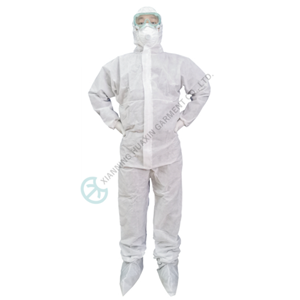
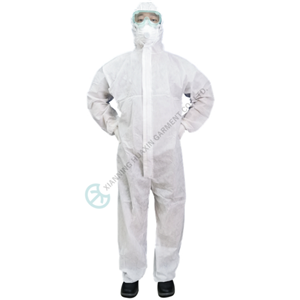
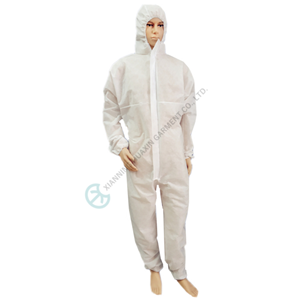
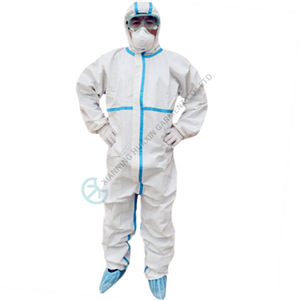
Market of Disposable Nonwoven Protective Clothing
Following last passage,today let's discuss about necessity&market about disposable protective clothing.
The adoption of disposable non-woven protective clothing is no longer optional; it is a regulatory necessity driven by global safety frameworks:
Stringent Occupational Regulations: Agencies such as OSHA (USA) and regulatory bodies in the EU have established strict guidelines mandating the use of certified PPE in construction, manufacturing, and chemical processing. Non-woven garments are essential for compliance with these safety standards, protecting workers from physical, chemical, and biological hazards.
Post-Pandemic Health Protocols: The global health landscape has been permanently altered. Hospitals and clinics now prioritize infection prevention protocols that favor single-use items to ensure maximum safety for both healthcare professionals and patients.
Standardized Protection Levels: The industry has moved towards standardized ratings (such as AAMI levels for medical gowns), where non-woven materials consistently meet and exceed the required thresholds for liquid barrier performance and microbial penetration resistance.
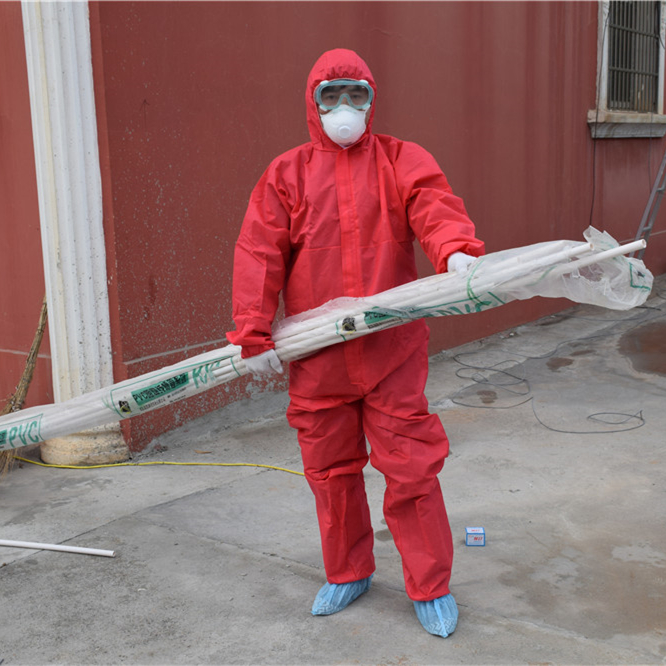
The market demand for disposable non-woven protective clothing is supported by strong macroeconomic and demographic drivers, projecting a steady upward trajectory through 2030 and beyond.
Healthcare Sector Expansion: An aging global population and a rise in chronic diseases are leading to an increased volume of surgical procedures and hospital admissions. This demographic shift directly correlates with a higher consumption of disposable surgical gowns, drapes, and isolation suits.
Industrial & Manufacturing Growth: Rapid industrialization in the Asia-Pacific region, coupled with a growing focus on worker safety in the West, is fueling demand in the industrial sector. From automotive manufacturing to food processing, industries are increasingly integrating disposable non-woven PPE into their standard operating procedures.
Supply Chain Resilience: The recent global focus on supply chain security has prompted governments and large enterprises to stockpile essential PPE. This strategic stockpiling creates a sustained baseline demand that stabilizes the market against cyclical fluctuations.
Technological Innovation: Continuous R&D in material science—such as the development of biodegradable non-woven fabrics—is opening new market segments. As environmental concerns grow, the industry's pivot towards sustainable, eco-friendly disposable solutions is expected to unlock further growth potential among environmentally conscious consumers and corporations.
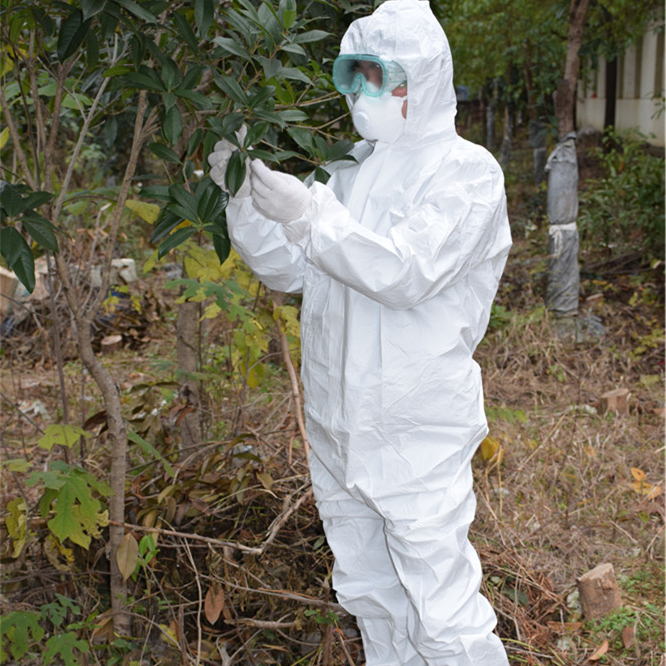
Let's study together if you are intertest in this non-woven protective products industry.