
Type 3 Chemical Protective Clothing: The Ultimate Shield Against Heavy Oils and Greases
In heavy industries such as petrochemicals, automotive manufacturing, and industrial cleaning, workers face daily exposure to aggressive and viscous substances. When dealing with high-pressure pipelines and heavy machinery, ordinary workwear is simply not enough. In these demanding environments, Type 3 liquid-tight chemical protective clothing is not just a compliance requirement—it is a critical line of defense.
But what exactly makes Type 3 the gold standard for heavy oil and grease protection? Let's dive into the technical advantages and practical applications.
What is Type 3 Protection?
Why Type 3 is Essential for Heavy Oil Environments
Type 3 fabrics are engineered with advanced surface treatments that lower surface energy. This creates a highly effective oil-repellent barrier. When heavy oil or grease comes into contact with the suit, it beads up and rolls off rather than soaking into the fibers, keeping the wearer completely dry.
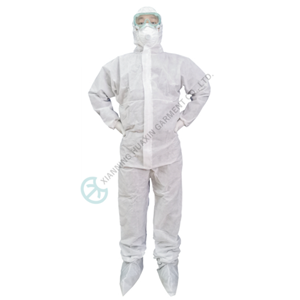
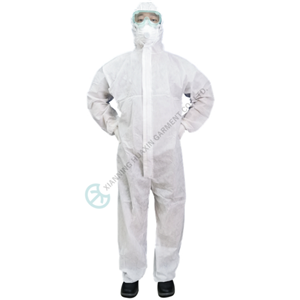
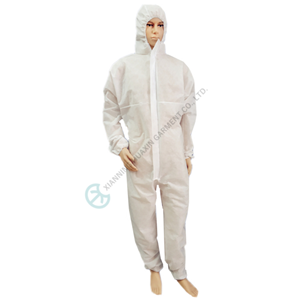
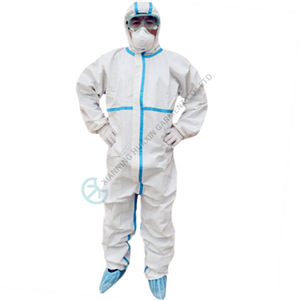
In heavy oil environments, protection is only as strong as its weakest point. Type 3 garments feature fully taped seams, double storm flaps over zippers, and elasticated cuffs and ankles. This comprehensive sealing system prevents viscous fluids from seeping through microscopic gaps or closures.
Handling heavy oil often involves physical labor in confined spaces. Modern Type 3 suits are constructed from robust, tear-resistant materials that can withstand the mechanical stress of industrial environments without compromising their chemical barrier.
Key Application Scenarios
Petrochemical Plants: Handling high-pressure oil pipelines and chemical transfer systems.
Heavy Machinery Maintenance: Cleaning and repairing equipment heavily coated in industrial grease and lubricants.
Industrial Cleaning & Degreasing: High-pressure washing operations involving aggressive cleaning agents and oils.
Marine & Offshore Operations: Engine room maintenance and oil spill response.
A Crucial Safety Note
Conclusion